

EMDR & Trauma Therapy

What is EMDR?
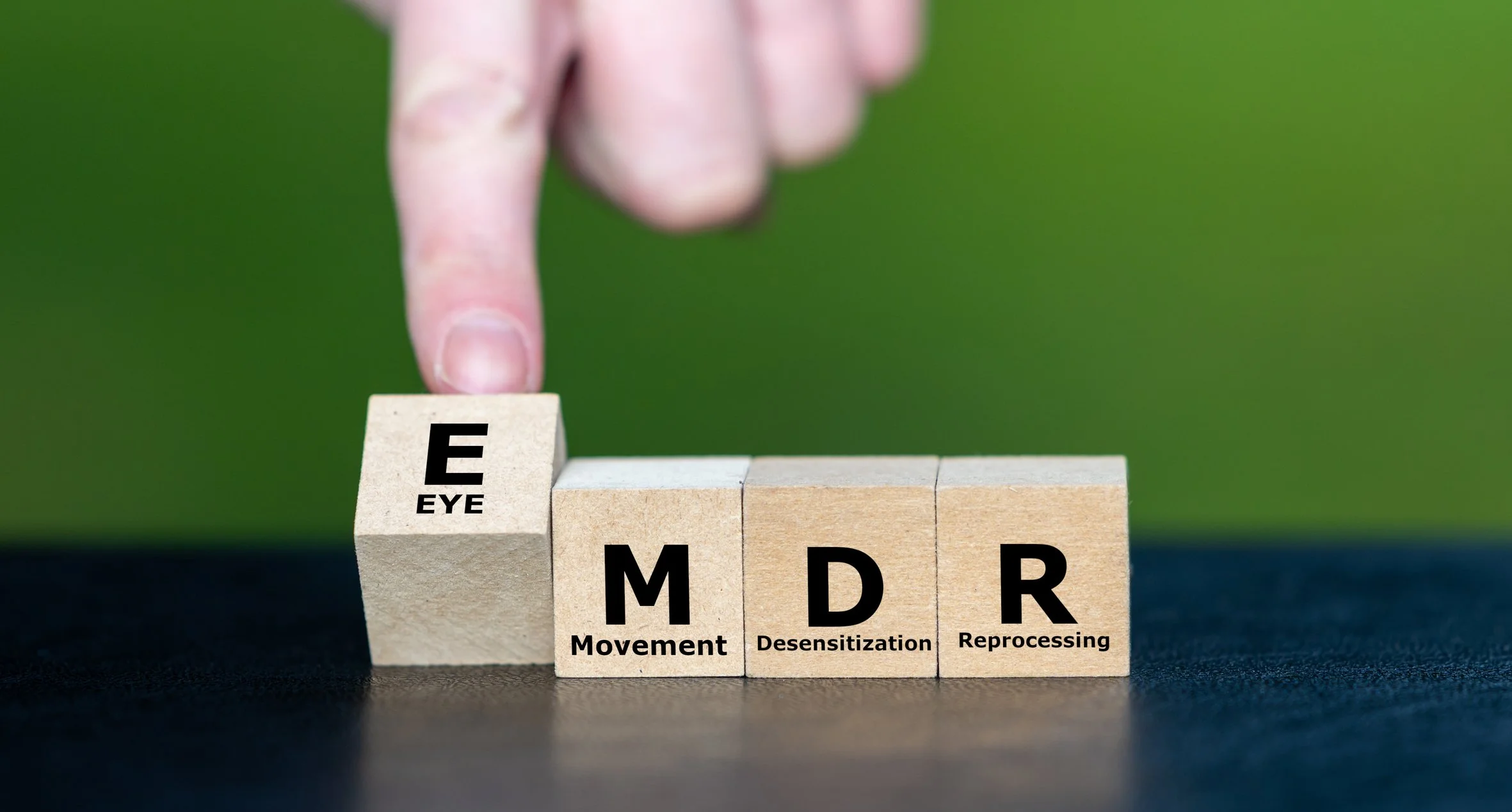
Eye Movement Desensitization and Reprocessing (EMDR) is a highly researched, evidence-based therapy developed to help people recover from the effects of trauma. Unlike traditional talk therapy, EMDR doesn’t require you to retell your story in detail. Instead, it uses bilateral stimulation (such as guided eye movements, sounds, or taps) to help the brain reprocess painful memories so they no longer feel as overwhelming or intrusive.
How EMDR Helps with Trauma
Trauma—whether from childhood experiences, accidents, loss, abuse, or other life events—can leave lasting imprints on the nervous system. These experiences may show up as:
Flashbacks or intrusive memories
Anxiety, depression, or panic attacks
Nightmares or sleep difficulties
Feeling emotionally numb or “stuck”
Difficulty trusting others or maintaining relationships
EMDR helps by activating the brain’s natural ability to heal. Over the course of treatment, distressing memories become less vivid and emotionally charged, allowing you to move forward with a greater sense of calm, safety, and control.
What to Expect in EMDR Therapy
Our work together begins with building a foundation of safety and understanding your unique needs. In EMDR sessions, we:
Identify target memories and current triggers.
Use bilateral stimulation to help the brain reprocess those memories.
Install new, healthier beliefs about yourself and your experiences.
Work gradually so that you remain grounded and supported throughout the process.
Most clients notice shifts not only in how they think about the past but also in how they respond to the present—feeling more resilient, confident, and connected.

EMDR can be effective for people struggling with:
Post-traumatic stress disorder (PTSD)
Complex or developmental trauma (C-PTSD)
Grief and loss
Medical trauma
Relationship or attachment wounds
Shame and self-esteem challenges
Problematic coping behaviors rooted in trauma

Ready to Connect?
As trauma-informed therapists, we approach trauma work and EMDR with care, collaboration, and respect for your pace. Healing from trauma is not about erasing the past, but about freeing yourself from its hold so you can create a life with more balance, choice, and meaning.
If you’re ready to explore how EMDR therapy can support your healing, we invite you to reach out for a consultation.